

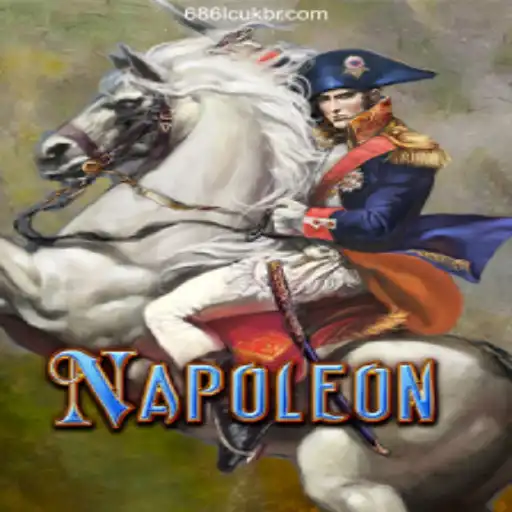
Napoleon: The Strategic Masterpiece
In the realm of board and card games, Napoleon stands out as a fascinating blend of history and strategy. This game transports players to the strategic landscapes of the Napoleonic Wars, challenging them to delve deep into decision-making processes reminiscent of the era's great tacticians. With its rich thematic elements and intricate gameplay mechanics, Napoleon captivates enthusiasts of strategy games and history buffs alike.
Introduction to the Game
The game Napoleon is inspired by the historic battles led by the legendary French military leader, Napoleon Bonaparte. By immersing players in scenarios that mimic the challenges faced during the early 19th century, the game offers a unique opportunity to explore military strategy on a grand scale. This engagement with history not only provides entertainment but also educates players about the significant events and strategies that shaped the world.
In recent years, there has been a resurgence of interest in games that simulate historical events, with Napoleon being a key example. In a world where digital interactivity often takes center stage, the tactile and mental engagement provided by strategy board games presents a refreshing alternative. The resurgence is further fueled by a global increase in board game cafes and conventions, where enthusiasts gather to relive history through strategic gameplay.
How to Play Napoleon
The rules of Napoleon are designed to challenge players' strategic thinking and decision-making abilities. Typically played with a deck of cards or as a board game, the objective is to outmaneuver and outthink opponents to achieve victory. Each player assumes the role of a commander, tasked with deploying units, managing resources, and crafting tactics that will lead their side to success.
The game board represents a battlefield segmented by various terrains, each impacting the movement and effectiveness of units. Players must consider the strengths and weaknesses of each terrain type, utilizing features like hills, rivers, and forests to gain tactical advantages. The unpredictability of warfare is mirrored in the game's mechanics, where drawing cards can determine the availability of reinforcements or unexpected challenges.
Phase One: Setup and Initial Moves
At the start of the game, players set up their units across the board according to historical scenarios or customizable settings. This phase requires careful planning, as initial placements can significantly influence the outcome of the game. Each commander is given a set of cards representing maneuvers, reinforcements, and special actions that can be deployed during their turn. Strategic foresight is crucial as players anticipate their opponents' moves while planning their attacks.
Phase Two: Strategic Execution
During this phase, the heart of the game unfolds as players take turns executing their strategies. Movement of troops, launching of attacks, and securing strategic positions dominate the gameplay. Each action consumes resources or cards, making resource management a vital component of the strategy. Players must balance aggression with caution, weighing the risks and rewards of each maneuver.
Phase Three: Resolution and Victory
The ultimate goal of Napoleon is to achieve dominance through either military conquest or strategic superiority, as set by the victory conditions determined at the start. These conditions may include capturing key areas, eliminating a set number of enemy units, or surviving for a specified number of turns. The resolution phase often culminates in intense strategic showdowns, as players vie for supremacy and adapt to their opponents' tactics.
Napoleon in the Context of Modern Trends
The popularity of games like Napoleon coincides with current trends in entertainment and leisure. With the rise of online gaming platforms and virtual communities, traditional games have successfully adapted to digital formats, allowing broader access and engagement. This hybrid evolution of board games into the digital realm appeals to both traditionalists and modern gamers, offering flexibility and new ways to play.
The global popularity of online gambling and sports betting further underscores the increasing appetite for strategic and risk-based entertainment. Platforms such as 686lcuk Brasil: O Melhor Cassino Online e Apostas Esportivas highlight the appeal of strategic gameplay combined with the thrill of uncertainty. As players engage with both historical strategy games like Napoleon and contemporary online gaming platforms, they find themselves at the intersection of history and modern digital entertainment. This fusion broadens the appeal of strategy games, drawing a diverse audience of enthusiasts eager to test their wits in various competitive arenas.
Embracing the Legacy of Napoleon
The enduring allure of the game Napoleon lies in its ability to transport players back in time and challenge them with the complexities of military strategy. As players immerse themselves in its nuanced gameplay, they not only engage in a battle of wits but also connect with an important historical narrative. In a world constantly seeking new realms of engagement, games like Napoleon represent a timeless bridge between past and present, offering lessons of strategy that transcend the boundaries of time and technology.